As much as we make fun of dubs from the likes of 4Kids or some of the horrifically bad early era dubs, there are some that do fly under the radar and their content is somewhat baffling.
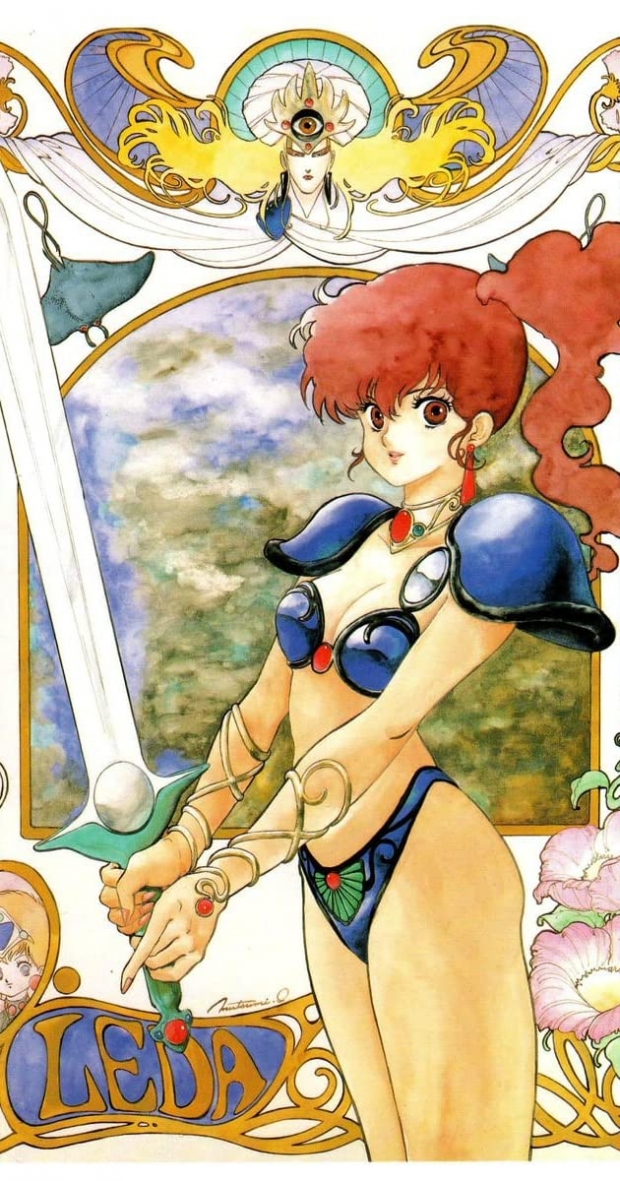
So we start with Genmu Senki Leda or Leda the Fantastic Adventures of Yohko.
Sadly I'm not in a position to review this because there is very little to find on it but it did have a dub.
Notice: Until new footage is found there is no video at this time.
An 80s anime dubbed in 1997 by Right Stuf and Toho International, Leda is a very early Isekai in which lead character Yohko gets transported to another world due to her walkman cassette player being linked to Leda which turns her into a warrior to fight an evil.
A walkman is what 80s teens used to listen to music, stored on a cassette tape; ask your parents or watch Stranger Things or Guardians of the Galaxy.
Probably one of the biggest takeaways from this dub is not so much the poor sound quality or even the poor acting, it's the term Bobby Soxer.
A Bobby Soxer was a late 1940s, 1950s teenage girl who was into traditional pop music by that era's definition often defined by the dress being Poodle Skirts and ankle socks, it's a very dated term which I've not heard outside of cartoons made in that era, so there are obvious issues in Yohko describing herself as one.
1. In the original Japanese, she just refers to herself as a school girl.
2. An American term created in the late 40s would never cross into Japan seeing as Japan didn't really embrace American culture until the 80s nor are you likely going to see anime Grease.
3. This was made in 1985.
4. This was dubbed in 1997!
Teenybopper succeeded the term Bobby Soxer for the next few decades and even that's out of date by 90s standards. So yeah, an 80s anime dubbed in the 90s using American 40s and 50s slang to describe the main character.
This unique character ranking tackles very normal characters in action shows, by definition these are characters who would never compare to the super powered individuals around them and through the most part, obey real world physics.
I'll be marking them down on their achievements and roles in their anime.
Sir Integra from Hellsing
Takes out Nazi Vampires despite being surrounded by thousands of them, keeps Alucard in check and speaks to her enemies like a teacher disciplining a group of delinquents.
Garrod Ran from Gundam X
One of only a rare selection of lead Gundam Pilots to not have Newtype powers or the non UC equivalent, you could argue that by simply owning a Gundam he doesn't qualify but I disagree considering how much the narrative relies on being able to be a special human.
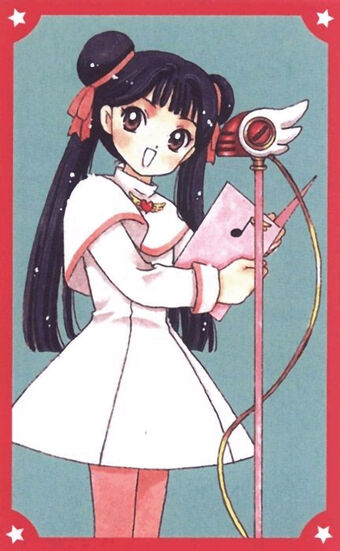
Meiling Li from Card Captor Sakura
Has fought a couple of the clow cards on equal footing with just her martial arts training to fall back on.
Usopp from One Piece
Has fought against and beaten opponents he has no chance in defeating under normal conditions mostly through clever weapons and exploiting weaknesses, has even battled Luffy as well as prevented his defeat a couple of times.
Mumen Rider from One Punch Man
More points for bravery and commitment over actual strength but somehow manages to remain top of C rank
Drake Anderson from Read or Die
A very capable mercenary that is kept on in the British Library despite being among Paper Masters and an assassin that can phase through objects.
Genjo Sanzo from Saiyuki
Debated, but it's brought up quite frequently that he lacks the same fighting ability as his travel companions, relying on buddhist scriptures and a banishing gun, it even became a plot point in Requiem.
Gourry Gabriev from Slayers
His travel companions can level entire towns in one blast so he relies entirely on his own sword skills to help defeat bad guys, he usually has his own special enemies to defeat as well.
Joey Wheeler from Yu-Gi-Oh
Always seems to make it to duelist tournament finals lacking many of the traits of better duelists, in fact had his body not given in, he'd have beaten Marik Ishtar.
Mr Satan from Dragonballz
Survived encounters with Cell and Kid Buu who both had their fair share of kills, Kid Buu especially. Also the one to convert Fat Buu to the hero side. Still legit won the martial arts tournament at least once.
Notes: Lower scores can be attributed to low impact on the story or most of their success coming from the sheer luck of not dying, in Sanzo's case it's more his position as a normal human being debated.
What on Earth are they?
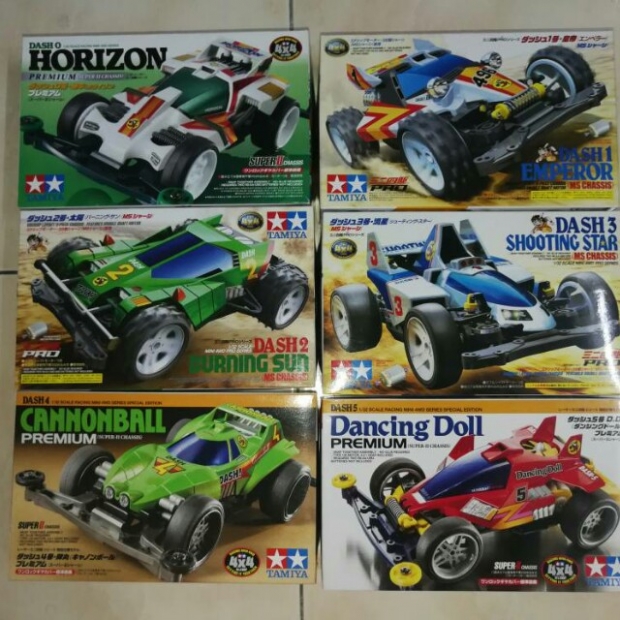
Starting in 1980 in America Stomper 4x4, Mini 4WD cars were created as a response to the rising popularity of 4WD brought on by the introduction of the Dakar Rally but it wasn't until a couple of years later that hobby company Tamiya made the best versions seen today. In 1986 they made a motorized variant which are usually the ones shown in the Anime Dash Yonkuro.
How are they any Different to RC cars?
4WD cars work way differently than a typical RC car mostly because they can only move in one direction, forwards, so they have special rollers that allow them to turn on a walled track.
Why do the Cast of Dash Yonkuro need Hockey Sticks?
On non walled tracks, the sticks are used to turn, stop and guide the vehicle, it can be quite a workout as the cars can run from 9mph up to 40mph.
Is it Popular?
There's a following in America and certainly Japan but the closest to Dash Yonkuro are the Italians even using the Hockey Stick.
That's it for my toy special, we resume normal operations with the Dash Yonkuro review.
Shoot your Marbles
Marbles are probably among the oldest toys in history dating back to early Roman era and much older than Christ. A typical game is basically keeping your marbles in a circle by flicking them. They came in many sizes and materials over the centuries and the game was left more or less unchanged, it wasn't until the late 90s early 00s that Battle B-Daman took the marble concept and turn it into a proper battle game not much different to the ball bearing game of crossfire from the 70s. But it was Bakugan who gave it more strategic spin on the game turning the marbles into mini transformers and combining them with cards and territory style gaming, it was strangely addictive and is actually coming back to screens.
Ball Bearings for War and Gambling
The humble ball bearing was invented in 1794 by a Welsh Ironmaster although in industry, bearings had been used for much longer and is an integral part of engineering but leave it to the modern era to make games from it. I already brought up crossfire, a very awesome battle game from the 70s but there were other uses. Japan actually created Airsoft in order to continue to train it's military despite the embargo placed on them participating in wars from World War II as guns shoot plastic Ball Bearings instead. I have participated in Airsoft, it frickin hurts! C3 is the only anime I know of to have Airsoft as it's theme.
Pachinko is a low stakes gambling game using ball bearings, an evolution of an old Victorian era game named Bagatelle. It's another way of getting round Japan's already strict gambling laws as the stakes are never that high, it's also seen as the final resting place for retired anime and games as pachinkos use anime to encourage gamblers.
Spinning Top Battles
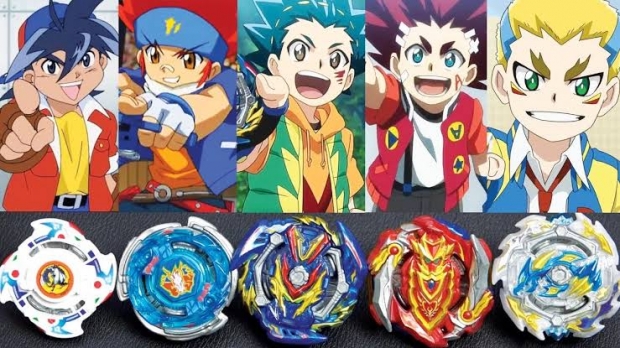
Spinning Tops are just as old as marbles but have a much more interesting history from religious significance in Jewish Dreidels to being used as an alternative to dice in some tabletop games as well as being the first toy most children play with as infants. Then you have Beyblade.
The spinning top battle game is cheesy as hell but I have a soft spot for it. I used to help run a fan page for Beyblade before I came here. In fact my username came from my own Beyblade, a Dranzer that uses a Dragoon's left spin gear as opposed to the right spin gear in most Beyblades. I'm probably more harsh on the franchise than I should be but considering how it shaped my fandom and how it helped me meet some very special people, I'm kind of sad at how stale the series got after the first generation.
Our next segment is on model kits and how important they are in Otaku culture.
Gunpla and the Advent of Otaku
1979 saw the arrival of Gundam in a market already familiar with space but even more so with the arrival of Star Wars, it created this young adult following which was seen as quite small scale but much of the merchandise was limited as toy companies would sponsor anime to get merchandise rights, standard practice for any series. This led to the creation of garage kits which was another name for model kits that allowed fans to make replica robots from plastic easily snap together parts. The rest was history but it formed part of Otaku culture further explained by Gainax's half mockumentary Otaku no Video.
I built many kits as a kid.
Animal Robot Wars
The Zoids franchise started as a toy line, the difference between this and other model kits is that these animal robots moved. They started life as Mechabonica around the same time as Gunpla but didn't gain popularity until it became Zoids, and the anime was amazing. I regret not buying the kits when they were out.
Time to Robattle!
Medabots took the model building to it's next logical stage, customization, being able to switch out different arms, legs, torso and head was revolutionary at the time but most people liked to keep things unchanged as the designs were a little too good to spoil. I still have a Sumilidon in storage.
The Doll Fighters We Wanted
Leave it to Clamp to release a toy anime that had no toy attached in Angelic Layer and the concept alone would make a fortune if it can be made in real life. Of course Angelic Layer only serves as a Clamp universe prequel to Chobits.
Gunpla's Now Have Their Own Anime
The history of Gundam anniversary years are best described as surreal as among them included G Gundam and SD Gundam but then they turned their model kits into a toy anime called Build Fighters which actually borrows a lot from Angelic Layer thinking about it. Build Fighters also pays big homages to Gundams past.
My Waifu Wears Heavy Metal
Ever wondered who pioneered the waifus wearing fighter jets or battleship guns?
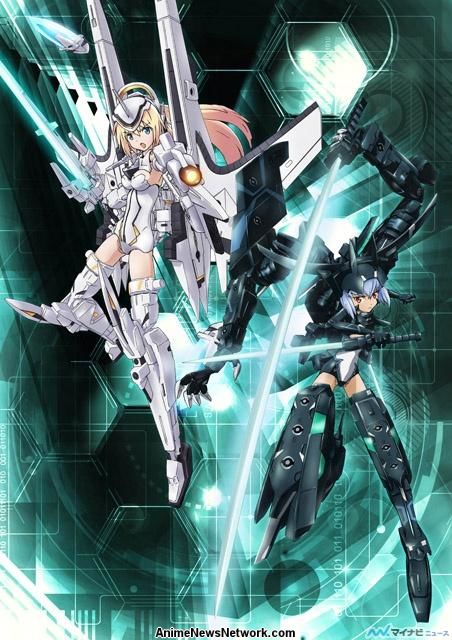
Busou Shinki entered as a brand of action figures depicting it's characters in armour resembling military vehicles, while the anime has no fighting the figures helped pioneer future titles in the genre including Kancolle, Infinite Stratos, Strike Witches and Azur Lane. Something about waifus in battle armour just struck a cord with Otaku as it remains popular today.